Brought to you by Deepak Chopra, MD, Alexander Tsiaras, and TheVisualMD.com
Taking good care of your teeth at every stage of life is a good way to avoid painful toothaches, expensive trips to the dentist and tooth loss in old age. But there is another powerful reason to practice good oral health: It can affect the health of your whole body. Research shows that the bacteria that cause tooth decay and gum disease in your mouth may also play a role in heart disease and stroke. And there is some evidence that tooth loss before age 35 may be a risk factor for Alzheimer's disease. (1)
The Mouth/Body Connection What does brushing and flossing have to do with the rest of your body? Your mouth is the gateway to your body -- and it's not a very pristine gateway. It's filled with bacteria -- in fact, there are more bacteria living in your mouth than there are people on earth. (2) Most of these bacteria are harmless, and good oral care plus the body's immune system can keep the bad bacteria in check. But if you neglect oral health -- or if your immune system is weakened -- harmful bacteria can multiply. In just one day they can colonize every surface of your mouth and form a sticky substance called plaque on the surfaces of your teeth. Over time, acids in the plaque can cause cavities and gum disease. But the bacteria in your mouth can do damage elsewhere, too.
If you have gum disease or cuts in your gums from dental work, oral bacteria can enter your bloodstream and cause infection in your heart or lungs. Oral bacteria may also attach to fatty buildup in your arteries, increasing the chances of stroke or heart attack. Some research suggests that if your mouth is chronically inflamed due to severe gum disease, inflammation may cause swelling elsewhere in your body, including your arteries. It may also contribute to rheumatoid arthritis. Poor oral health probably won't give you heart disease or other diseases. But if you already have risk factors for certain diseases, it can increase your chances of getting them. (1, 2)
Beyond Brushing The rate of tooth decay in the U.S. has actually improved over the past 30 years due to advances in oral health care. But there is still a long way to go. Tooth decay is the most common chronic disease among kids and teenagers, and most adults show signs of gum disease. (3) The good news: There's a lot you can do to improve your oral health -- and by extension, support your overall health. The minimum is to brush and floss twice a day. Follow these additional tips and do your mouth -- and your body -- a favor.
1. Brush up on brushing (and flossing). Research shows that the average person spends about one minute brushing their teeth. In the process, they remove about 60 percent of the plaque. By investing a little more time and not much effort, you can do better. Aim for two minutes of brushing time. Brush the tooth surfaces nearest your tongue first, since they are more at risk for decay and you tend to brush best when you first start. Use a soft-bristled brush and fluoride toothpaste, and replace your toothbrush when the bristles look worn (about every three to four months). If you want to do an even better job, consider using a powered toothbrush. It does a better job of reaching the areas between your teeth, where the risk of decay is greatest. Careful flossing can remove some of this interdental plaque, but you can get even better results by using a small, interdental brush and toothpaste to scrub the inner surfaces of your teeth. (4, 5)
2. Rinse. Consider using an antimicrobial mouth rinse. Your teeth make up only about 20 percent of the surface area in your mouth. But harmful bacteria live in the other 80 percent too -- on your tongue, gums and other tissues, and in your saliva. Antimicrobial mouth rinse kills bacteria that are not on your teeth, but could easily move there. It also prevents and reduces plaque on tooth surfaces that are hard to reach with a brush or floss. (6)
3. Eat a healthy diet and limit snacks. If you eat five fiber-rich fruits and vegetables a day, it not only benefits your overall health, it also stimulates saliva flow in your mouth, and that helps remineralize tooth surfaces where decay is just beginning. Avoid snacks that are packed with sugar or starches. (3)
4. Avoid tobacco and limit your intake of alcohol. Smokers have a four times greater risk of developing gum disease than non-smokers. And tobacco use in any form -- including smokeless tobacco -- increases the risk of gum disease and oral and throat cancers. Heavy use of alcohol also increases your risk of oral and throat cancers, and the risk gets even higher when you use alcohol and tobacco together. (3)
Focus on Kids Research shows that exposure to plaque over a person's lifetime may be the key risk factor in dental diseases. (7) Helping your children develop good oral health habits early on will pay dividends for the rest of their lives. Talk to your dentist about the best way to protect your child's teeth and ask about dental sealants that can protect young teeth from decay. Encourage your kids to eat healthy snacks. And be aware of hidden dangers in their diet. For instance, sour candies may seem like a good choice because they contain less sugar than sweet candies. But in fact, their high acid content is very damaging to teeth. Sports drinks are also loaded with acid, but the danger doesn't stop there: Studies show that prolonged exposure to these drinks softens a child's dental tissue and tooth enamel. If your child consumes these candies or beverages, it's best to rinse with water soon after, and wait 45 minutes before brushing, since abrasive toothpaste can further erode the softened enamel. (8)
Showing posts with label children's dentistry. Show all posts
Showing posts with label children's dentistry. Show all posts
Saturday, November 5, 2011


Monday, September 5, 2011
Sunday, February 27, 2011
Children's Dental Health Month Tip #28: Have smart snacks in your home
Smart Snacks for Healthy Teeth
Getting your kids to eat fruit, veggies and yogurt instead of candy, chips and ice cream might feel like pulling teeth. But it's important to encourage them to eat "smart" snacks to help keep their smiles healthy and beautiful.
You can help your children have healthier teeth by loading your refrigerator and cupboards with nutritious foods. Then follow these tips whether you're transitioning your older kids to a healthier, balanced diet or just getting started with a little one.
Be a role model for your kids. Your kids mimic what you do, so it's crucial that you set the tone. Send the right message by eating plenty of fruits and vegetables instead of sugary snacks that can cause cavities. And be sure to practice good oral hygiene in front of your kids; if you brush and floss after meals and snacks, your kids will follow suit.
Get creative with snacks. Show your kids that healthy snacks are fun, too! Prepare tasty combinations that look and taste great, such as apple slices with peanut butter, fruit smoothies, meat and cheese rollups, and yogurt sprinkled with granola and bananas.
Involve your kids. When making your grocery list, ask your kids to brainstorm about what kinds of food they'd like to eat. This is a good opportunity to help them understand what's good for their teeth and what's not. Then go grocery shopping together and teach your kids how to read the Nutrition Facts label so that they can check the sugar content.
Prepare nutritious meals. Snacking smart is great for your teeth, but so is eating well-balanced lunches and dinners. Make sure to add fruits and vegetables to every meal so that your kids become accustomed to them.
Remember, your kids don't have to swear off sweets forever! They can still have healthy teeth even if they eat an ice-cream sundae or chocolate bar now and then -- just make sure that the bulk of the foods they eat are nutritious. Also remember to encourage your kids to brush and floss regularly, and be sure to make regular dental visits a fun and positive experience for them.
Don't Forget! If you eat sweets, eat them for dessert instead of munching on them throughout the day. And remember to brush and floss your teeth after every snack or meal!
http://www.1800dentist.com/school-age-kids-dentistry/20-smart-snacks-for-healthy-teeth
Children's Dental Health Month Tip #27: Know how to care for your family's toothbrushes
 |
| Replace! |
Keep your equipment clean. Always rinse your toothbrush with water after brushing. Store your toothbrush in an upright position, if possible, and allow it to air dry until using it again. Don't routinely cover toothbrushes or store them in closed containers, which can encourage the growth of bacteria.
Know when to replace your toothbrush. Invest in a new toothbrush or a replacement head for your electric or battery-operated toothbrush every three to four months — or sooner if the bristles become frayed.
Friday, February 25, 2011
Children's Dental Health Month Tip #26: Know when to call your dentist

- You think your child has a serious injury
- Permanent tooth knocked out (Reason: needs reimplantation ASAP; 2 hours is the deadline for tooth survival)
- Bleeding won't stop after 10 minutes of direct pressure
- Tooth is greatly pushed out of its normal position
- Tooth that's pushed out of its normal position interferes with normal bite
- Severe pain
- You think your child needs to be seen
- Tooth is slightly pushed out of its normal position
- Can see a chip or fracture line (crack) in the tooth
- Tooth sensitive to cold fluids
- Tooth becomes a darker color
- You have other questions or concerns
Thursday, February 24, 2011
Children's Dental Health Month Tip #25: Know how to talk to your children about their dental visits
Allow and encourage your child to discuss any fears he or she might have about oral health visits, but do not mention the words'hurt' or 'pain'. Saying "it won't hurt" instills the possibility of pain in the child's thought process.
http://www.adha.org/oralhealth/children.htm
http://www.adha.org/oralhealth/children.htm
Children's Dental Health Month Tip #24: Beware of sports drinks

- They're more corrosive than cola!
- Drinking with a straw can help
- Best reserved for athletic hydration
Wednesday, February 23, 2011
Children's Dental Health Month Tip #23: There is a wide range of "normal" when it comes to tooth loss! Don't worry.

Children generally lose all their baby teeth by age 13. If your child hasn't lost all her baby teeth by this age, consult your pediatrician. (Adult molars may take until the early 20s to fully erupt.)
Most children lose their center teeth first and there should be 32 teeth when all the permanent adult teeth erupt.
http://www.ehow.com/about_5345124_baby-teeth-late.html
Tuesday, February 22, 2011
Children's Dental Health Month Tip #22: Remember, even kids can suffer from periodontal disease
Many people think of periodontal disease as an adult problem. However, studies indicate that nearly all children and adolescents have gingivitis, the first stage of periodontal disease. Advanced forms of periodontal disease are more rare in children than adults, but can occur.
Types of periodontal diseases in children
- Chronic gingivitis is common in children. It usually causes gum tissue to swell, turn red and bleed easily. Gingivitis is both preventable and treatable with a regular routine of brushing, flossing and professional dental care. However, left untreated, it can eventually advance to more serious forms of periodontal disease.
- Aggressive periodontitis can affect young people who are otherwise healthy. Localized aggressive periodontitis is found in teenagers and young adults and mainly affects the first molars and incisors. It is characterized by the severe loss of alveolar bone, and ironically, patients generally form very little dental plaque or calculus.
- Generalized aggressive periodontitis may begin around puberty and involve the entire mouth. It is marked by inflammation of the gums and heavy accumulations of plaque and calculus. Eventually it can cause the teeth to become loose.
Periodontitis associated with systemic disease occurs in children and adolescents as it does in adults. Conditions that make children more susceptible to periodontal disease include:
For example, in a survey of 263 Type I diabetics, 11 to 18 years of age, 10 percent had overt periodontitis.
http://www.perio.org/consumer/children.htm#1
- Chronic gingivitis is common in children. It usually causes gum tissue to swell, turn red and bleed easily. Gingivitis is both preventable and treatable with a regular routine of brushing, flossing and professional dental care. However, left untreated, it can eventually advance to more serious forms of periodontal disease.
- Type I diabetes
- Down syndrome
- Kindler syndrome
- Papillon-Lefevre syndrome
Sunday, February 20, 2011
Children's Dental Health Month Tip #21: Prepare your child for their dental visits
There are a number of excellent children's books on visiting the dentist. We can loan you a book if you would like a fun story to help prepare your kids for their dental visit. In addition, we offer free "Happy Visits" to help your child get used to the sights and sounds of a dental office. Here's a video with more great advice:
Saturday, February 19, 2011
Children's Dental Health Month Tip #19: Consider an evaluation by an orthodontist

When should your child get braces?
Although individual problems determine the ideal time to start orthodontic treatment, the American Association of Orthodontists (AAO) recommends that every child see an orthodontist by age 7. Many orthodontic problems are easier to correct if treated early rather than when jaw growth has slowed. The majority of 7-year-olds have a limited number of permanent front teeth as well as all four permanent first (six-year) molars.
An orthodontist can generally determine whether or not there will be adequate room for the remaining permanent teeth at this time. This determination is often aided by a panoramic X-ray. If the orthodontist determines that there will not be adequate room for the permanent teeth, early treatment can be initiated and may consist of appliances to expand the jaws or the early removal of deciduous teeth. This approach greatly increases the chance that the remaining permanent teeth erupt ideally aligned, thereby reducing the need for future orthodontic treatment or tooth extractions.
Your child can be evaluated in our Avon office by orthodontist, Dr. Jack Hilty: http://www.hiltyortho.com/
http://www.dentistry.com/treatments/dental-braces/when-to-see-an-orthodontist
Friday, February 18, 2011
Children's Dental Health Month Tip #18: Use Only Water In Sippy Cups Or Increase Cavity Risk
To help parents reduce the risk of cavities in children, the American Academy of Pediatric Dentistry offers parents the following guidelines on using sippy cups properly:
•The sippy cup is a training tool to help children transition from a bottle to a cup. It shouldn’t be used for a long period of time - it’s not a bottle and it’s not a pacifier.
•Unless being used at mealtime, the sippy cup should only be filled with water. Frequent drinking of any other liquid, even if diluted, from a bottle or no-spill training cup should be avoided.
•Sippy cups should not be used at naptime or bedtime unless they only have water in them.
 |
| We hope Ben Affleck is reading this blog :) |
Thursday, February 17, 2011
Children's Dental Health Month Tip #17: Relieve teething discomfort

When the first teeth appear, begin using a children's soft-bristle toothbrush to clean them on a daily basis. Give your baby regular oral cleanings after each meal to make dental health care a habit.
http://www.crest.com/crest-kids/dental-hygiene-for-kids.aspx#babies-gums
Wednesday, February 16, 2011
Children's Dental Health Month Tip #16: Protect teeth with fluoride
Protecting Teeth with Fluoride
Your kids can strengthen their teeth and protect them from decay with fluoride. Fluoride is a mineral that strengthens tooth enamel and even repairs certain microscopic cavities. There are two ways to receive fluoride protection:
Your kids can strengthen their teeth and protect them from decay with fluoride. Fluoride is a mineral that strengthens tooth enamel and even repairs certain microscopic cavities. There are two ways to receive fluoride protection:
- Drink fluoridated water or take prescription tablets or liquid. Children who drink fluoridated water from birth typically have fewer cavities than those who don't.
- Use fluoride toothpaste and mouth rinse at home and receive the fluoride treatment provided by the dentist at the scheduled time.
Tuesday, February 15, 2011
Children's Dental Health Month Tip #15: How to treat a knocked-out tooth
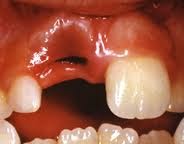 5 Ways to Treat a Knocked-Out Tooth
1. Time is of the Essence
When a baby gets a tooth knocked out, it's best to leave it for the tooth fairy, since trying to put it back could damage the permanent tooth coming in behind it. However, knocking out a permanent tooth is a different matter. If properly seated back into the socket, even with blood vessel and nerve damage to the tooth, the tiny ligaments in the jaw can reattach to the root. If a dentist can get the tooth treated and re-implanted within 30 minutes of the injury, there is a good chance that he can save the tooth. Odds of saving the tooth drop considerably if it's not successfully seated back into the socket within 24 hours of the injury.
2. Don't Forget the Tooth
In your hurry to get to the dentist, don't forget to find the tooth. Handle it gently by the crown, and avoid touching the root. If it's extremely dirty you can gently rinse it in milk if you have some available. If you don't have any milk, don't try to clean it. Avoid wiping it, scrubbing it or disinfecting it, no matter how dirty it seems. The cells located at the root end are delicate, and you'll need them to be intact and alive for a successful re-implantation.
3. Keep it Moist
You must keep the tooth moist to prevent the root cells from drying out. You have several options for keeping the tooth moist. Put the tooth back into the socket, exactly as it was, having the injured person hold it in place with his tongue, or place the tooth in the person's mouth between the cheek and gum. This may be a problem for a younger child because of the choking hazard, in which case you can have the child spit in a cup and then place the tooth in the cup. You can also place the tooth in a cup of milk or even water if you have nothing else. The goal is to handle the tooth as little as possible and keep it moist until you can get to the dentist's office or emergency room.
4. Time Will Tell
After preparing the tooth for implantation, your dentist will stabilize it in the socket by splinting or bonding it to the adjacent teeth. It usually takes 7 to 10 days for the tooth to heal. Your dentist will continue to monitor the tooth, and if it darkens or shows an indication that it didn't reattach properly, she may decide to perform a root canal in order to save it.
5. Be Prepared
If you or your children are involved in sports or other outdoor activities, you may want to consider carrying a tooth-saving kit. You may be able to purchase one from your dentist. It contains a protective case and a special solution that nourishes and protects the tooth for up to 24 hours.
Read more: http://www.livestrong.com/article/11735-treat-knockedout-tooth/#ixzz1E2SALTS6
Monday, February 14, 2011
Children's Dental Health Month #14: Don't use fluoridated toothpaste if they can't spit it out
A: "My 13-month-old baby does not like the taste of baby toothpaste. I have been brushing her teeth with a wet toothbrush without toothpaste so she will accept the toothbrush. Even then, it is sometimes a struggle. On the last visit, my pediatrician asked if we were using the baby toothpaste and said that we should be using it. I know that it doesn't have any fluoride - so is there any other benefit to it?"
Q: Instead of struggling with the baby toothpaste, I would get a cute toothbrush with one of her favorite cartoon characters on it. Let her “play” with this toothbrush (no toothpaste) while she watches you brushing your teeth. Sing a song while you brush, and maybe she’ll follow along. Until she is ready for fluoride (usually age 2 to 3), using a dry brush is fine. This will help foster a fun relationship with the toothbrush, which will be very important when she is older and has a mouth full of teeth. Most of the local pediatric dentists that I talk to have recommended using toothpaste with fluoride as soon as your child is able to spit it out – and then only use a small “pea-sized” amount.
Dr. Jim
http://www.askdrsears.com/faq/az45.asp
Sunday, February 13, 2011
Children's Dental Health Month #13: Let your kids pick out the supplies

http://www.ehow.com/how_2127308_kids-brush-their-teeth.html#ixzz1DrE2caOP
Saturday, February 12, 2011
Children's Dental Health Month Tip #12: Monitor thumb, finger and pacifier habits

A: This type of sucking is completely normal for babies and young children. It provides security. For young babies, it is a way to make contact with and learn about the world. In fact, babies begin to suck on their fingers or thumbs even before they are born.
Q: Are these habits bad for the teeth and jaws?
A: Most children stop sucking on thumbs, pacifiers or other objects on their own between 2 and 4 years of age. However, some children continue these habits over long periods of time. In these children, the upper front teeth may tip toward the lip or not come in properly. Frequent or intense habits over a prolonged period of time can affect the way the child’s teeth bite together, as well as the growth of the jaws and bones that support the teeth.
Q: When should I worry about a sucking habit?
A: Your pediatric dentist will carefully watch the way your child’s teeth erupt and jaws develop, keeping the sucking habit in mind at all times. Because persistent habits may cause long term problems, intervention may be recommended for children beyond 3 years of age.
Q: What can I do to stop my child's habit?
A: Most children stop sucking habits on their own, but some children need the help of their parents and their pediatric dentist. When your child is old enough to understand the possible results of a sucking habit, your pediatric dentist can encourage your child to stop, as well as talk about what happens to the teeth and jaws if your child does not stop. This advice, coupled with support from parents, helps most children quit. If this approach does not work, your pediatric dentist may recommend ways to change the behavior, including a mouth appliance that interferes with sucking habits.
Q: Are pacifiers a safer habit for the teeth than thumbs or fingers?
A: Thumb, finger and pacifier sucking affect the teeth and jaws in essentially the same way. However, a pacifier habit often is easier to break.
http://www.aapd.org/publications/brochures/tfphabits.asp
Friday, February 11, 2011
Children's Dental Health Month Tip #11: Be mindful of dental infections
Symptoms of Oral Infections in Children
If your child has one or more of these symptoms then there may be some form of infection present that will need to be treated by a dentist:
•Toothache -- number one sign that something is amiss
•Red swollen gums
•Throbbing/gnawing pain -- especially when chewing
•Swelling in the jaw or face
•Area is warm to the touch
•Foul taste in mouth
•Continual bad breath, even after brushing
Subscribe to:
Posts (Atom)